The short answer: a washed Gesha usually tastes lighter, cleaner and more floral, close to a fine tea. A natural Gesha usually tastes sweeter, fruitier and heavier, with jammy, winey notes. Honey processing sits somewhere in between. Same variety, very different cups, and the difference comes from what happens to the fruit after it is picked.
What "Process" Means
A coffee bean is the seed of a cherry. Before it can be roasted, the fruit around it has to be removed and the seed dried. How the farm does that is called the process, and it shapes the flavour almost as much as the variety itself.
The Three Main Processes
| Washed | Honey | Natural | |
|---|---|---|---|
| What happens | Skin and fruit removed, seeds fermented and washed, then dried | Skin removed, seeds dried with some of the sticky fruit layer still on | The whole cherry is dried with the seed inside, then the dry fruit is removed |
| Typical cup | Clean, bright, floral, tea-like | Rounder and sweeter, still fairly clean | Fruity, sweet, heavier body, sometimes winey |
| What it shows | The variety and the place it grows | A balance of variety and fruit | The fruit and the drying |
| Main risk | Needs a lot of clean water | Needs careful drying | Uneven drying can give overripe or fermented flavours |
Washed Gesha
Washing removes the fruit before drying, so what you taste comes mainly from the seed. With Gesha, that means the florals come through clearly: jasmine, bergamot, stone fruit and a long, tea-like finish. It is the classic way to show what the variety can do. In Cup of Excellence Peru 2025, six of the eight Geishas in the top ten were washed.
Natural Gesha
When the whole cherry dries around the seed, the fruit adds sweetness and body. A good natural Gesha can taste like tropical fruit, berries or ripe mango, with the florals more in the background. Done well, it is a spectacular cup. Done carelessly, the fruit can turn boozy and hide what makes Gesha special.
What the Competitions Show
In Cup of Excellence Peru 2025, the two highest-scoring coffees were washed Geishas from Cajamarca, at 90.64 and 90.42 points. But process did not decide the whole ranking: a natural SL-09 from Cusco placed fourth with 89.86 points, exactly the same score as the washed lots in fifth and sixth place (Alliance for Coffee Excellence).
From 2026, Cup of Excellence Peru judges washed and honey, natural and experimental coffees in separate categories, so naturals no longer have to beat washed coffees to win. We cover that in Cup of Excellence Peru 2026.
The takeaway: washed and natural are two styles, not a quality ranking. The best of each can score just as high.
How Our Coffees Are Processed
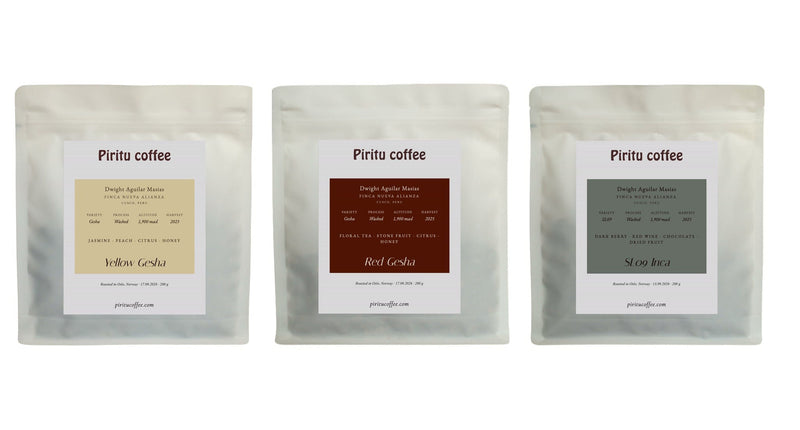
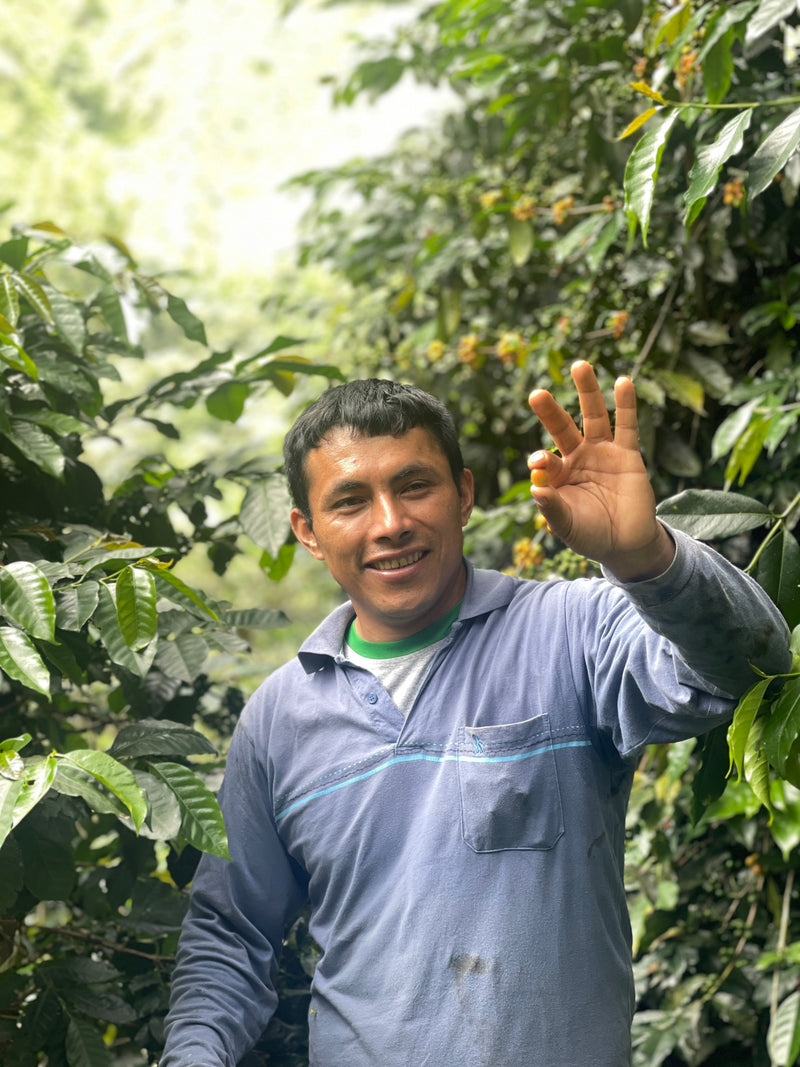
All three of our current coffees come from Dwight Aguilar Masias at Finca Nueva Alianza, 1,900 metres up in Santa Teresa, Cusco, and all three are washed.
- Red Gesha: washed. Hand-picked at full ripeness, rested for 24 hours and floated to remove anything underripe, then de-pulped, dry-fermented for 36 hours and dried on raised beds. In the cup: jasmine, lychee, honeydew, stone fruit and honey.
- Yellow Gesha: washed. Picked and processed the same way, then dried on raised beds for around 20 days. In the cup: jasmine and lilac, melon, ripe peach and citrus.
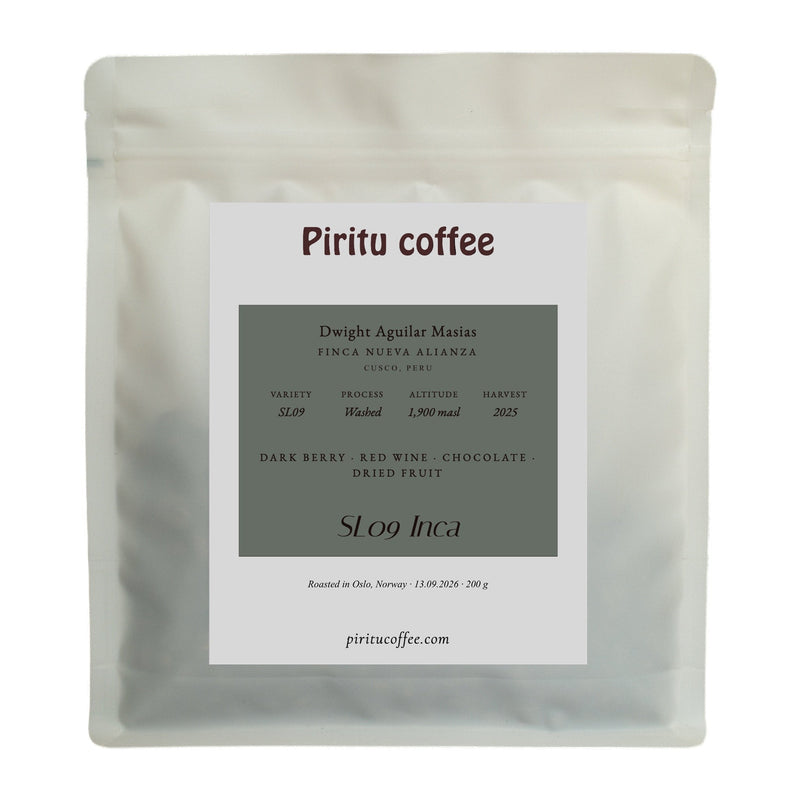
- SL09 Inca: washed. The cherries are de-pulped the day they are picked and ferment in enclosed steel tanks for 60 hours before they are washed and dried. In the cup: dark berry, red wine, chocolate and dried fruit.
Same process, three very different cups. That is a good reminder that variety and fermentation shape the flavour as much as the process does.
Which Should You Choose?
- Choose washed if you like florals, clarity and a tea-like cup, and you drink your filter coffee black.
- Choose natural if you want big, sweet fruit and a heavier body.
- Curious how much the variety matters? Brew our three coffees side by side. Tres Amigos de Cusco has all three in one box.
Whichever you choose, start with our V60 recipe for Gesha.
Frequently Asked Questions
What is the difference between washed and natural Gesha?
Washed Gesha has the fruit removed before drying and usually tastes lighter, cleaner and more floral. Natural Gesha is dried inside the whole cherry and usually tastes sweeter, fruitier and heavier.
Is washed or natural Gesha better?
Neither is better. They are different styles. In Cup of Excellence Peru 2025, a natural SL-09 scored exactly the same as two washed Geishas.
What does honey process mean?
The skin is removed, but the seed is dried with some of the sticky fruit layer still on. The result usually sits between washed and natural: rounder and sweeter than washed, cleaner than natural.
Why are so many competition Geshas washed?
Washing removes the fruit before drying, so the flavour comes mainly from the seed. That shows Gesha's florals most clearly, which is what many judges and buyers look for.
How are Piritu's coffees processed?
All three of our current coffees are washed. The Red and Yellow Gesha are dry-fermented for 36 hours and dried on raised beds. The SL09 Inca is fermented in enclosed steel tanks for 60 hours before it is washed and dried.