

Stories
Notes from the field.
Origin reports, brewing science, and the craft of specialty coffee from Cusco.
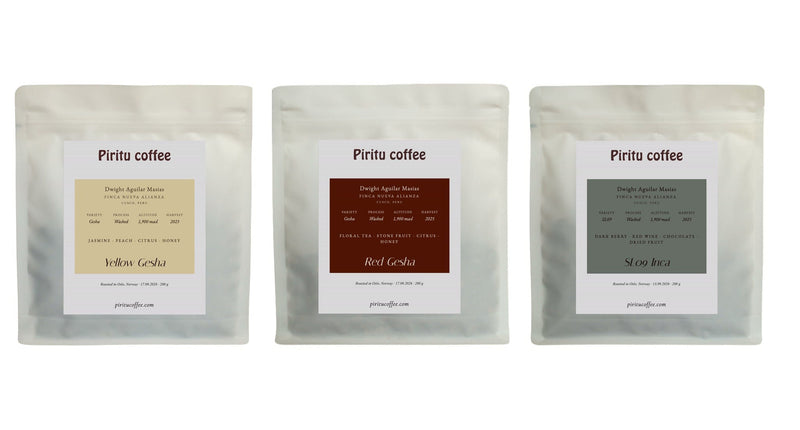
Why Is Gesha Coffee So Expensive? Yield, Altitude, Labour and Auctions
Gesha is expensive for four reasons that stack on top of each other: the plant gives less coffee than other varieties, it only shows its best at high altitude, everything from p...
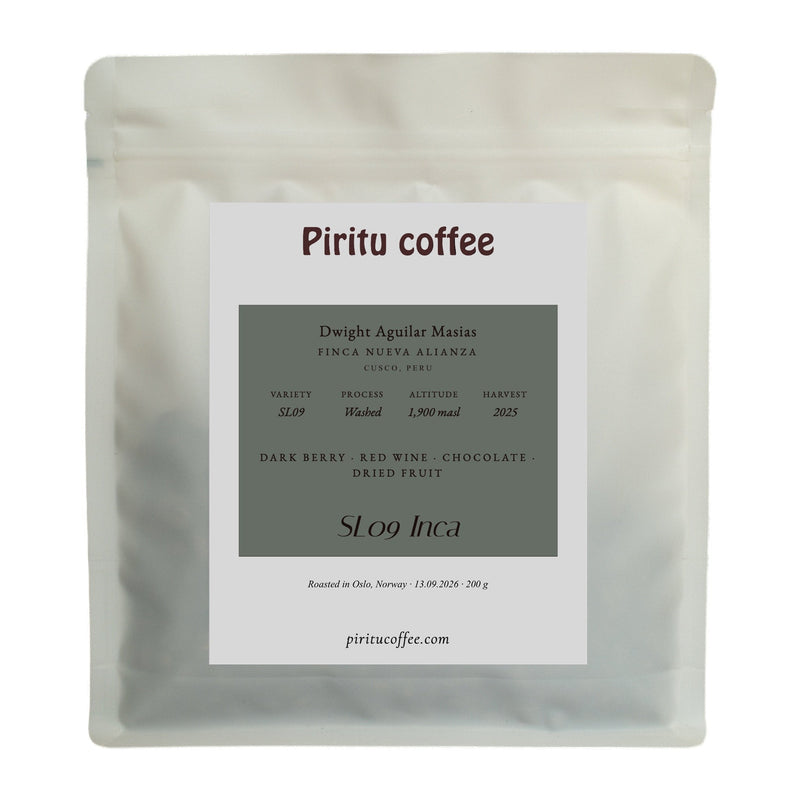
How Long Does Light Roast Coffee Last? Resting, Freshness and Storage
The short answer: light roast whole beans taste best from around a week after roasting, and stay good for several weeks after that if the bag is kept sealed. Once you open the b...
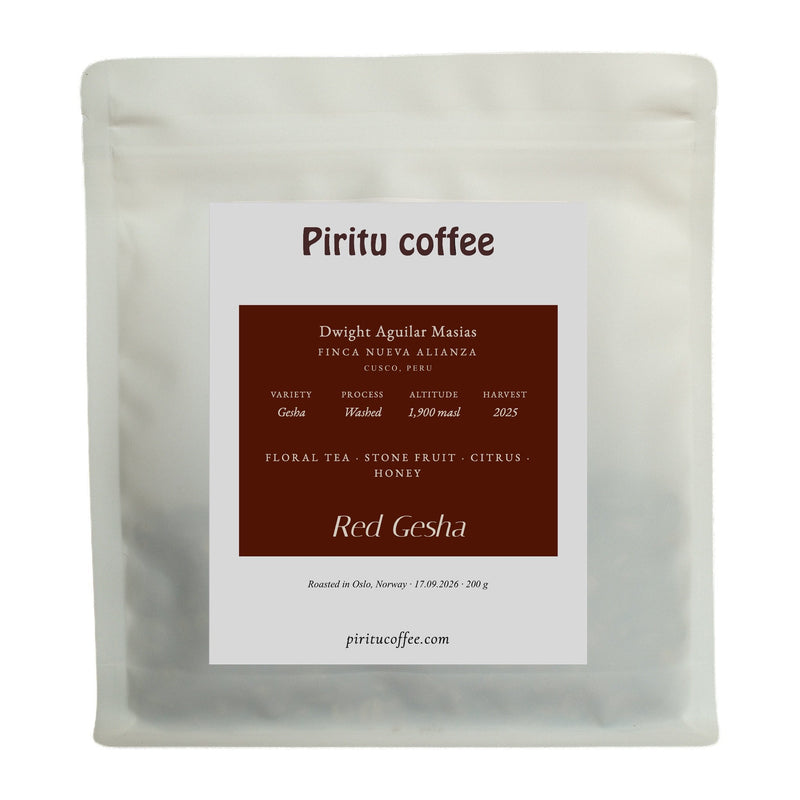
Washed vs Natural Gesha: How Processing Changes the Cup
The short answer: a washed Gesha usually tastes lighter, cleaner and more floral, close to a fine tea. A natural Gesha usually tastes sweeter, fruitier and heavier, with jammy, ...
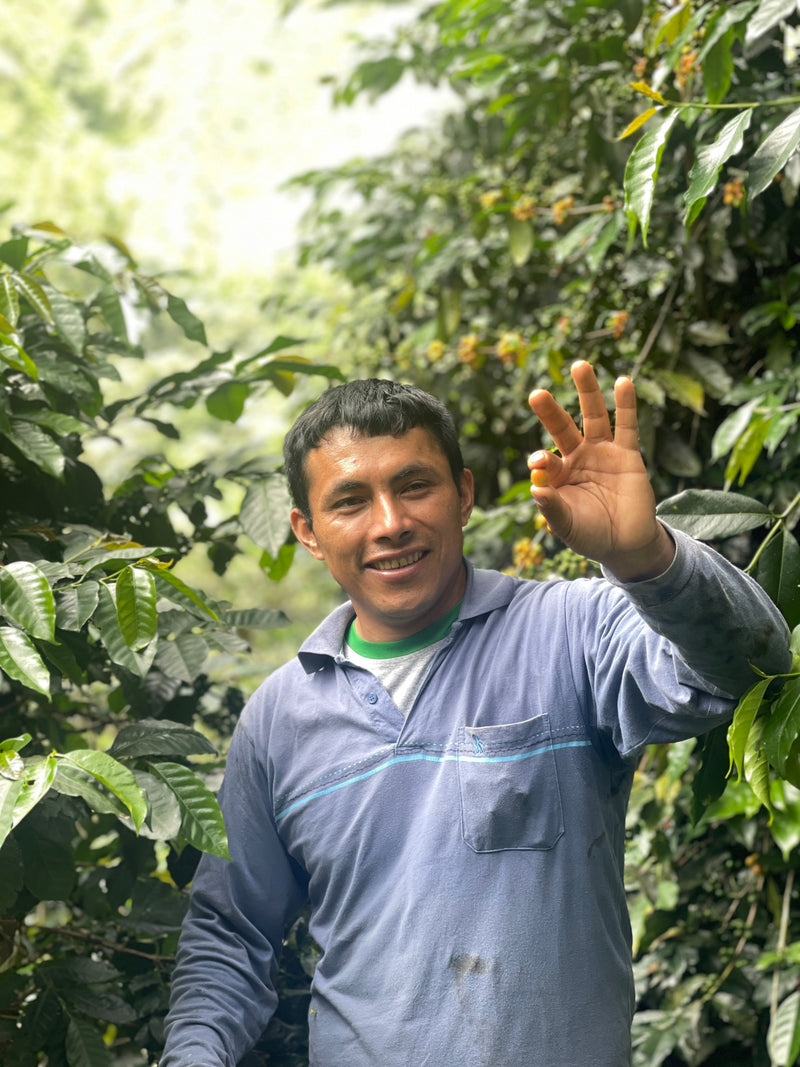
Cup of Excellence Peru 2026: Dates, New Categories and What to Watch
Cup of Excellence Peru 2026 is around the corner. The international jury cups the finalists from 3 to 6 November, and the winning lots go to auction on 8 December 2026. This yea...

Coffee Gifts for Someone Who Loves Coffee (2026)
The best coffee gift is one they cannot pick up at the supermarket, and one that fits the way they already brew. Most coffee lovers have a mug collection already. What they rare...
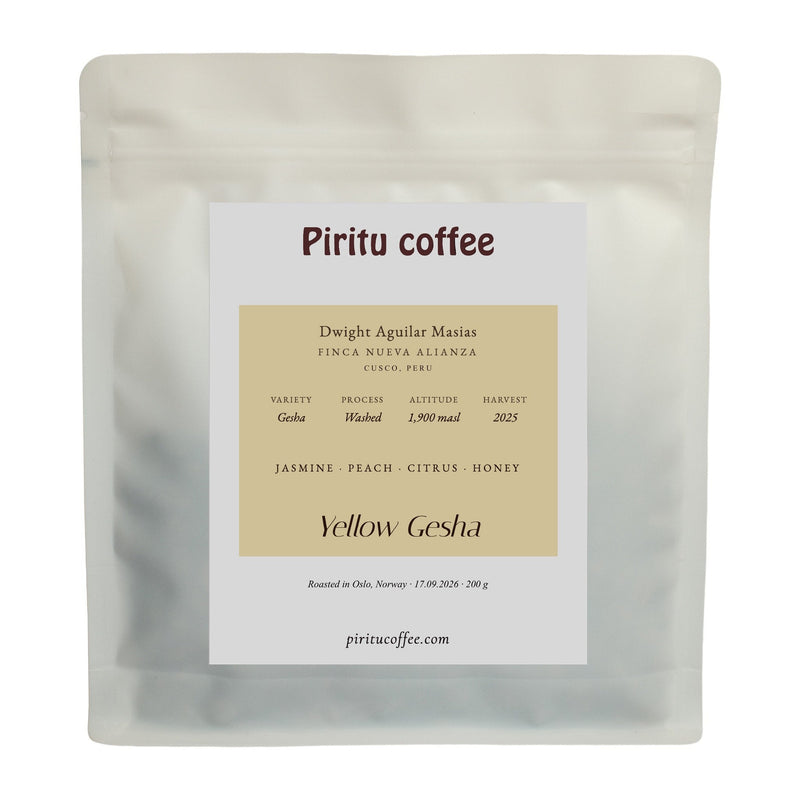
What Does a Cup of Gesha Really Cost? From Auction Records to Your Kitchen
The short answer: a cup of our Yellow Gesha brewed at home costs about 2.65 euros, 3 US dollars or 28 NOK. The record-breaking auction Geishas you read about cost hundreds of do...
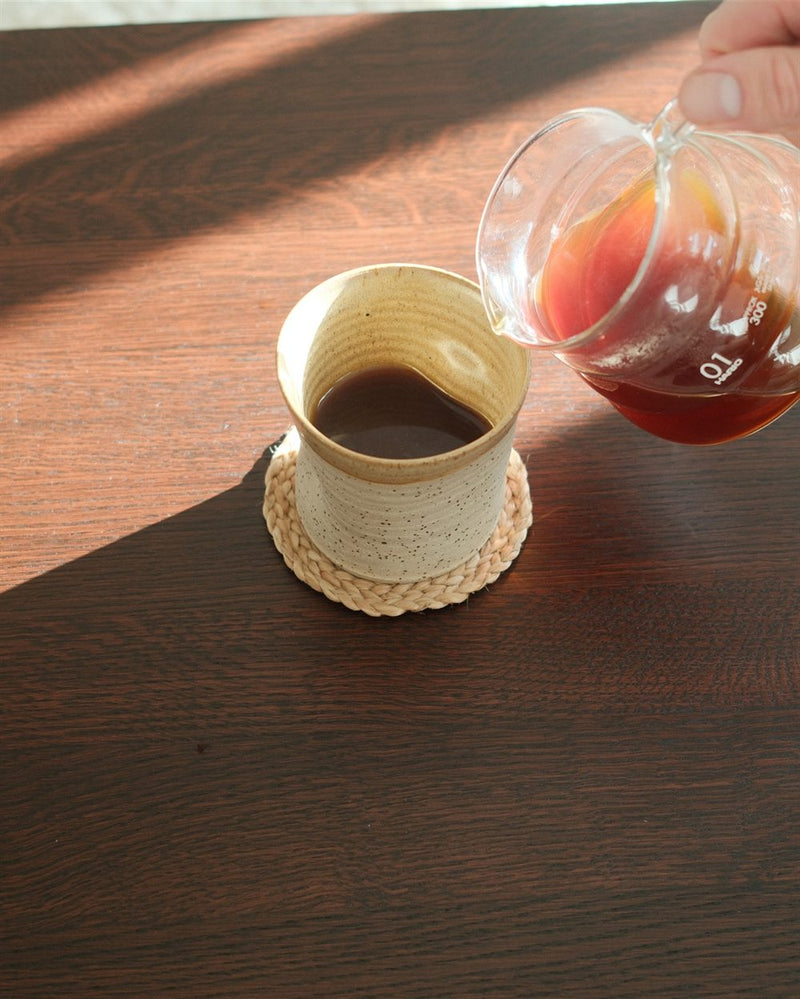
How to Brew Gesha on a V60: Our Recipe and Why It Works
14 g, 250 g, 91 °C. The V60 recipe we use for our own Gesha, with the reasoning behind each step and how to fix a sour or bitter cup.
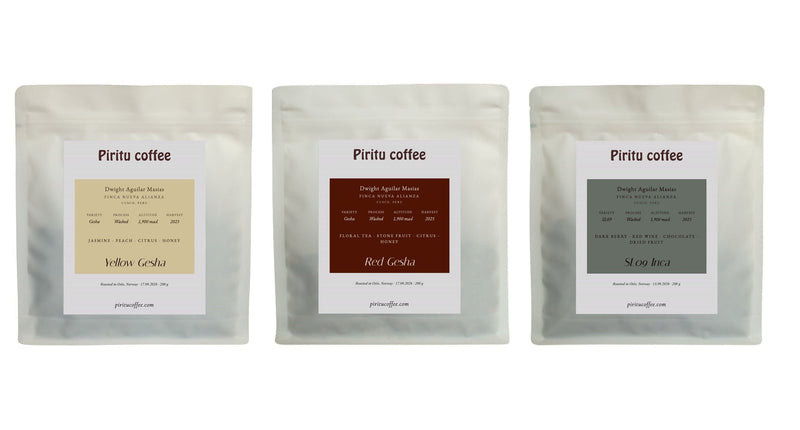
Red Gesha vs Yellow Gesha: Same Farm, Same Process, Two Different Cups
Both grow at Finca Nueva Alianza in Cusco and are processed the same way. The difference in the cup comes from the tree.
SL09 vs Gesha: Why Peru's "Inca Gesha" Is Not a Gesha
Peru's "Inca Gesha" turned out to be SL09, a forgotten Kenyan selection that is genetically nowhere near Gesha. We roast both from one farm in Cusco. Here is how they differ in ...
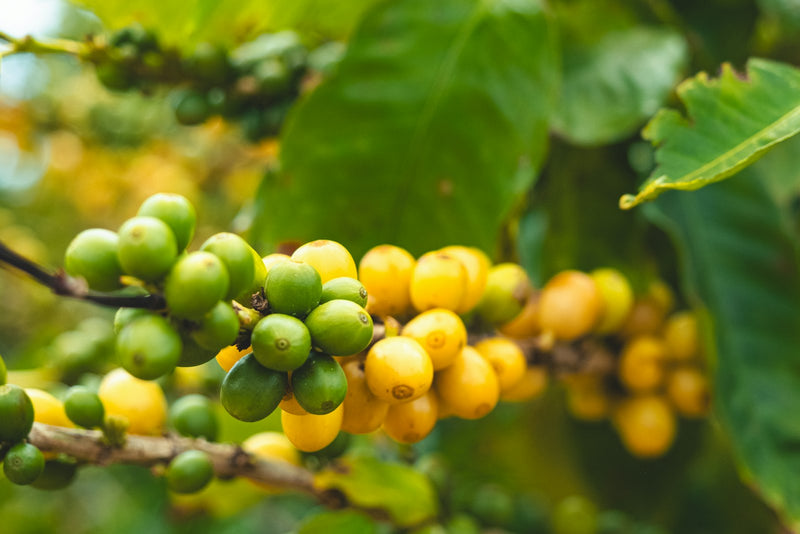
Yellow Gesha: One Hectare in Santa Teresa
Yellow-fruited coffee cherries. Photo: eli hirtzel, Unsplash. In 2020, Dwight Aguilar Masias planted one hectare of Gesha that fruits yellow instead of red. He already had two C...
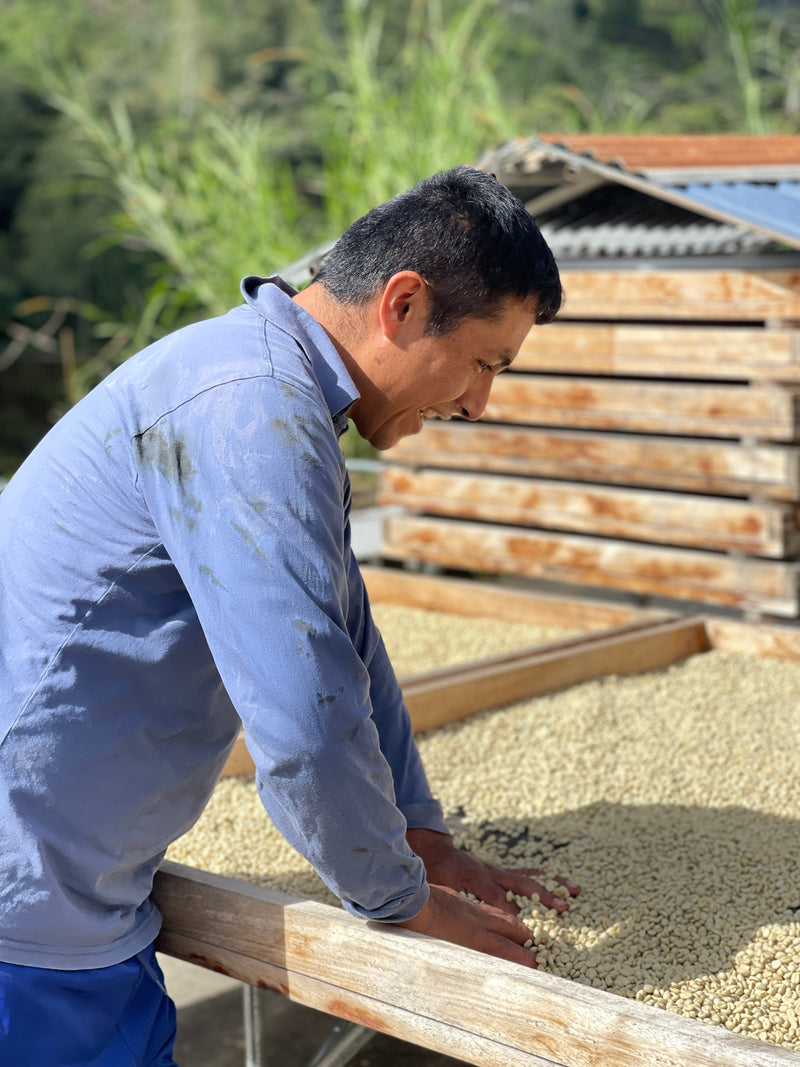
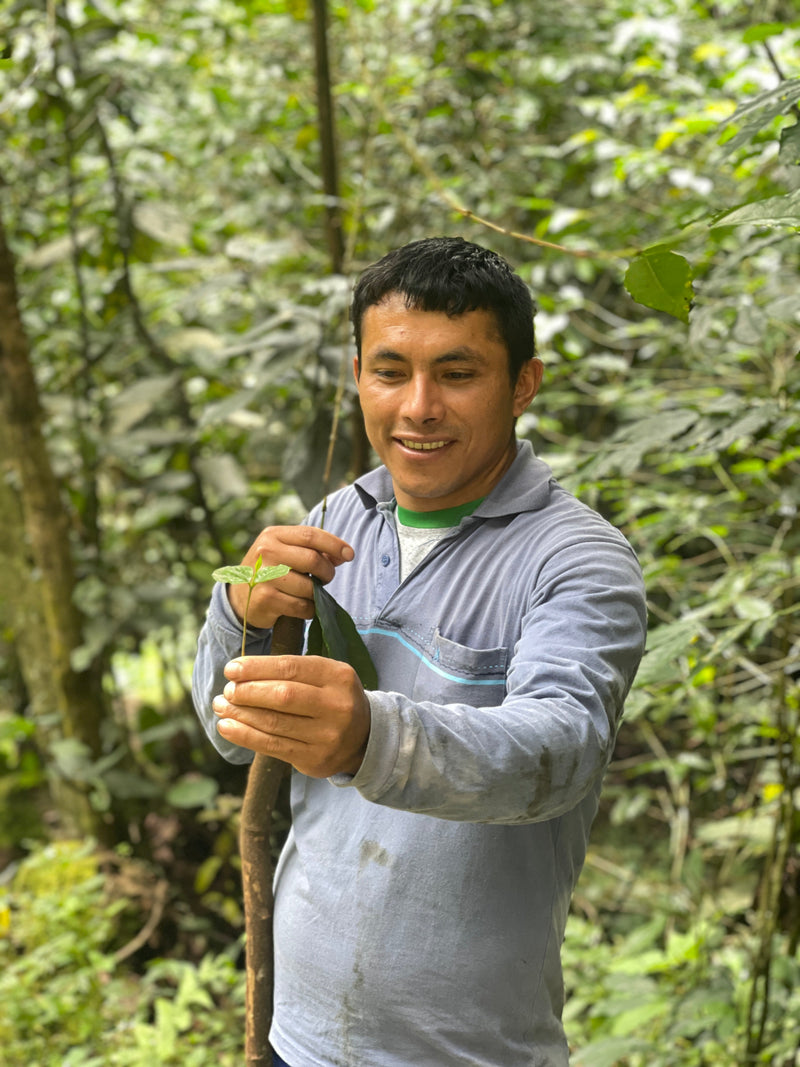
Who Is Dwight Aguilar Masias? Peru's Two-Time Cup of Excellence Champion
Meet Dwight Aguilar Masias of Finca Nueva Alianza in Santa Teresa, Cusco, the first farmer to win Peru's Cup of Excellence twice, and the producer behind our rare Peruvian Gesha...
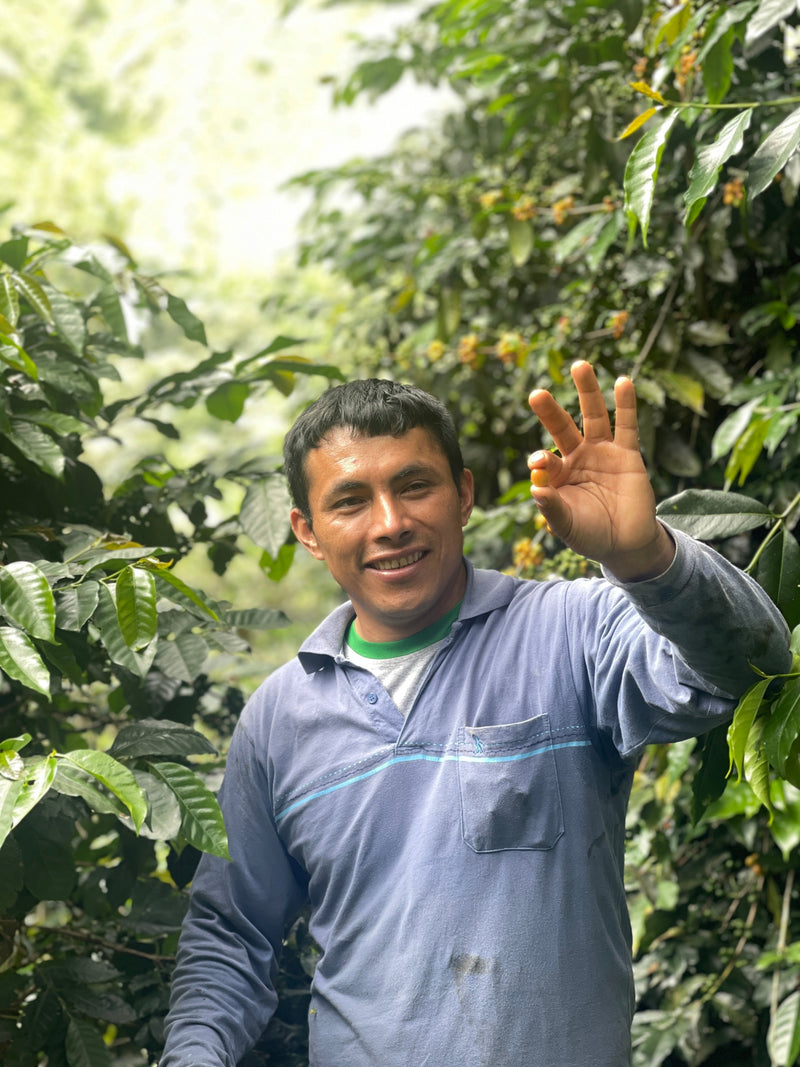
What Is Cup of Excellence? The Competition Behind the World's Best Coffees
If you spend enough time around specialty coffee, three words keep coming up: Cup of Excellence. Roasters put it on their bags. Producers build their reputations on it. Auction ...
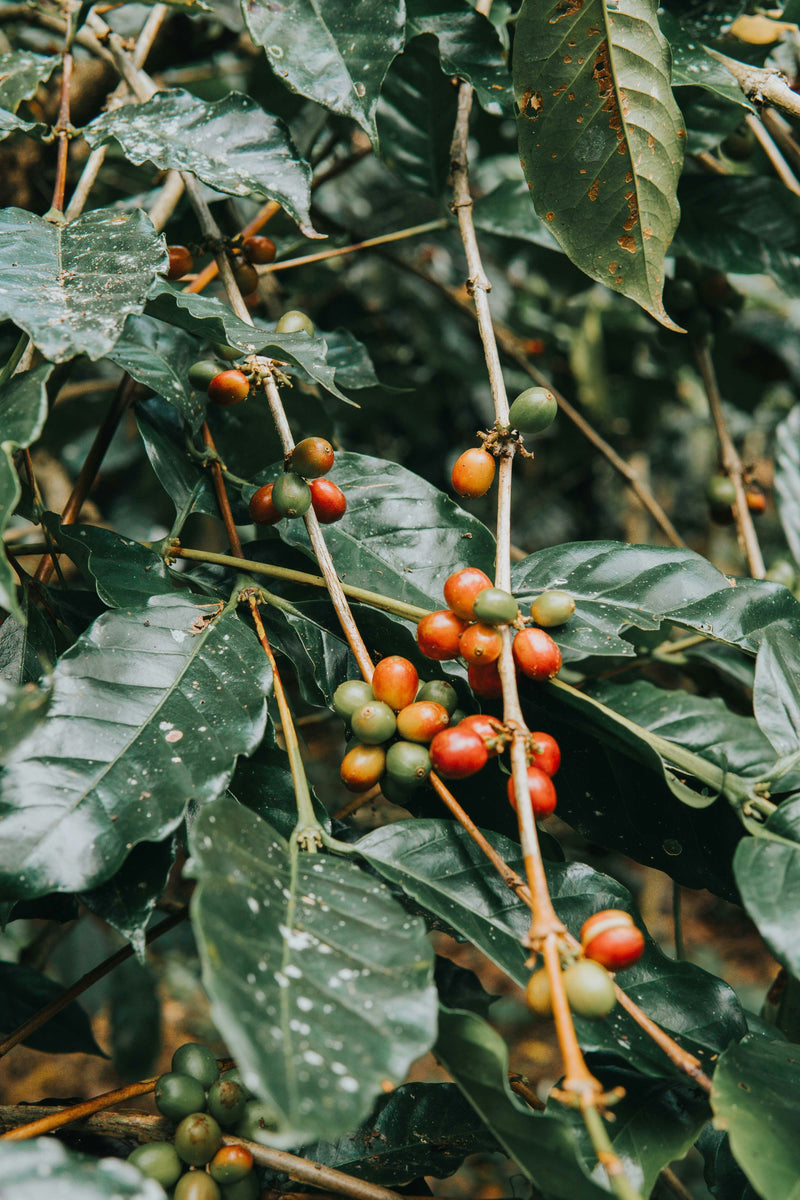
SL09 Coffee: The Forgotten Selection Variety
In the world of specialty coffee, certain varieties become legends. Gesha. Bourbon. Typica. Pacamara. Coffee drinkers learn their names, debate their merits, and chase their fla...
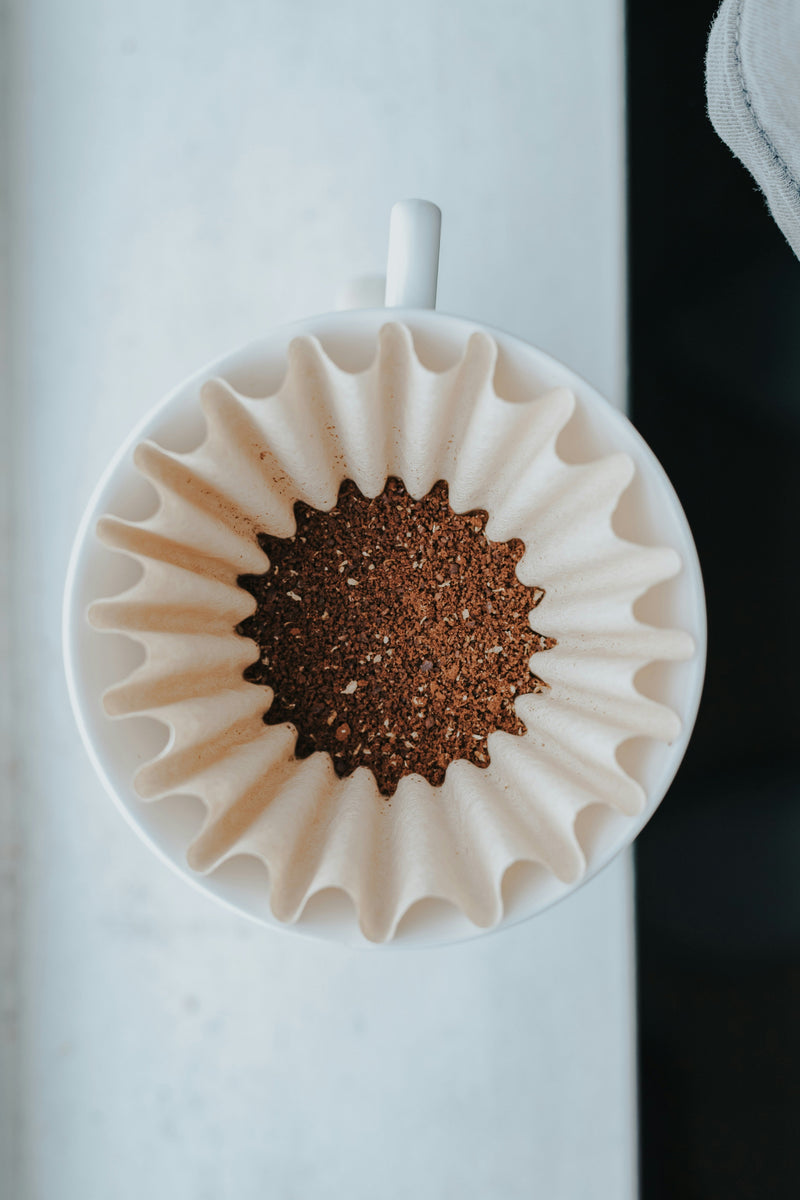
What Is Gesha Coffee? The Complete Guide for 2026
Gesha is the most coveted coffee variety in the world. It has won more competitions, broken more auction records, and inspired more obsession among specialty coffee drinkers tha...
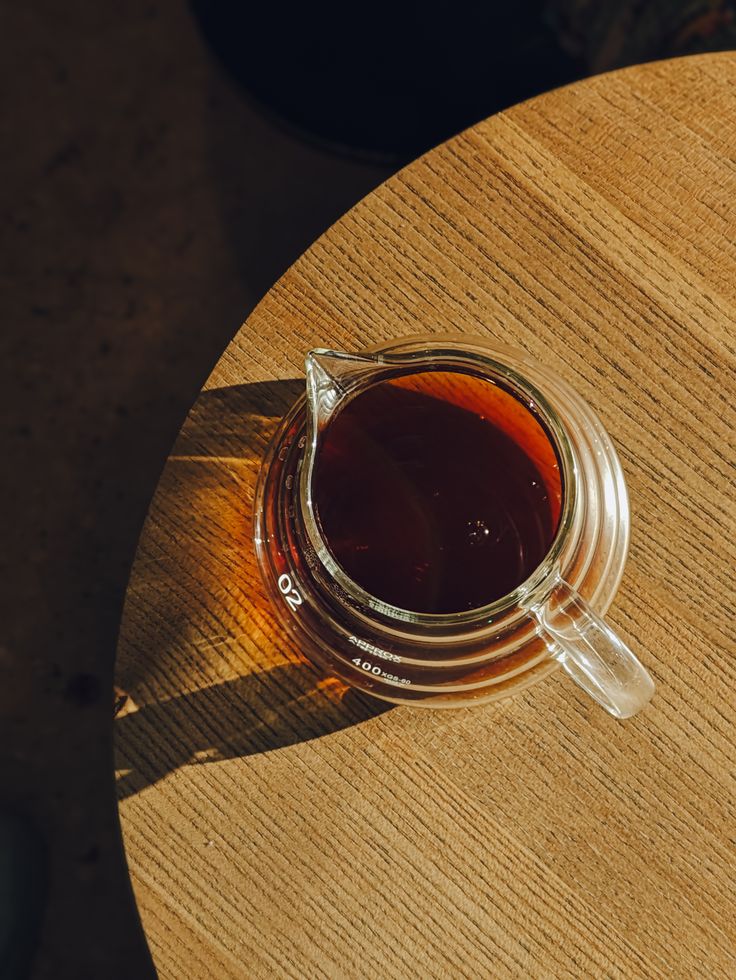
Panama Geisha vs Peru Gesha: Why the Spelling Tells You Everything
Spell the word. Geisha or Gesha? If you said Geisha, you have Panama on the brain. If you said Gesha, you’ve been reading World Coffee Research. Or maybe talking to producers in...

